Melara Max Pillow
The Melara Max Pillow: Reclaiming Your Rest
Every night, millions of people surrender hours of their lives to sleep — yet wake up feeling as though they haven’t rested at all. The culprit is rarely the hours themselves; it is the quality of support beneath your head. The Melara Max Pillow was engineered to address this gap with precision, purpose, and a design philosophy rooted in the biomechanics of rest. This is not merely a pillow. It is a nightly investment in your posture, your pain levels, and your morning energy.
OFFICIAL SITE: Melara Max Pillow™ | ORDER HERE ⚠️Limited Stock Alert!⚠️
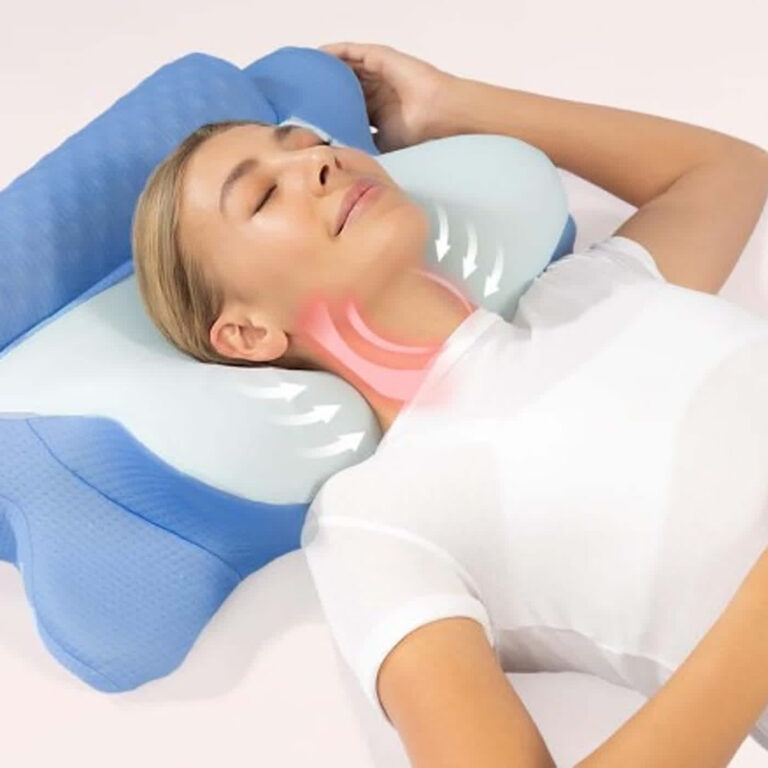
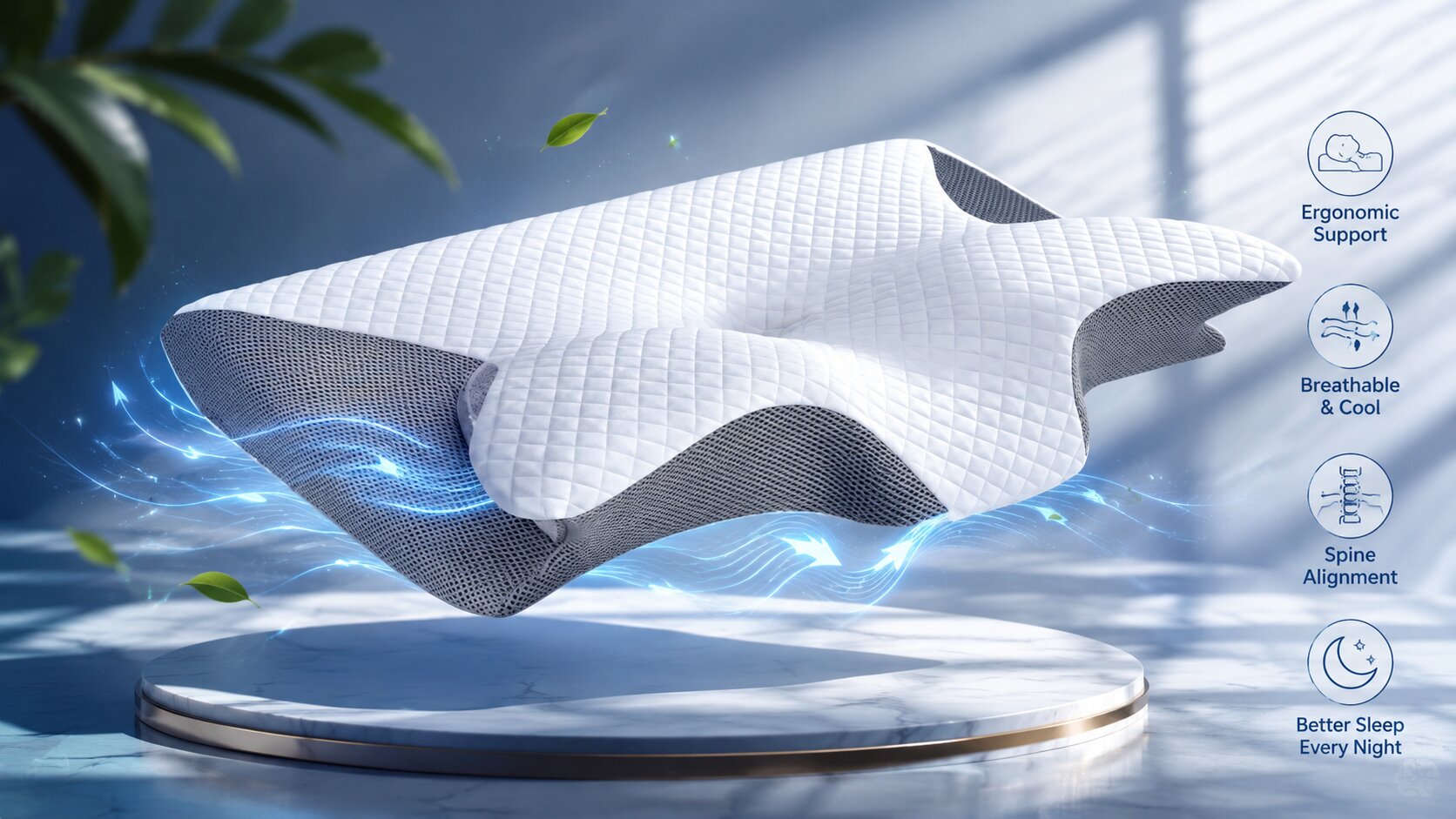
From the moment you lay your head down, the Melara Max begins working. Its precision-engineered butterfly-contour design cradles the head in a recessed centre, while raised side wings offer dedicated support for the shoulders and neck. High-density memory foam adapts to your unique shape, and advanced breathable fabrics ensure you stay cool throughout the night. The result is a sleep experience that addresses the root causes of poor rest rather than masking the symptoms.
This document explores the science behind the Melara Max, the sleep crisis it was designed to solve, and the measurable benefits it delivers to people who demand more from their nights. Whether you suffer from chronic neck tension, wake up with headaches, or simply want to feel more energised in the mornings, the Melara Max offers a solution grounded in design and material innovation. Read on to discover how a single change to your sleep setup can transform your daily life.
The Hidden Cost of the Traditional Pillow
Most people give little thought to their pillow until something goes wrong. A morning headache, a stiff neck, or an unexplained ache in the shoulders — these are the warning signs that your sleep support system is failing you. Yet the traditional rectangular pillow, a staple in bedrooms worldwide, carries design flaws that directly undermine the quality of your rest. Understanding these flaws is the first step toward making a meaningful change.
The fundamental problem with conventional pillows lies in their geometry. A flat, rectangular shape cannot accommodate the natural curvature of the human spine. When you lie down, your head and neck are forced into a position that deviates from neutral alignment. Over the course of a single night, this misalignment places sustained stress on the cervical vertebrae, the surrounding musculature, and the ligaments that stabilise the neck. The consequences accumulate silently, night after night, until discomfort becomes a daily reality.
What Goes Wrong
Traditional rectangular pillows compress unevenly under the weight of the head. As the foam or filling settles, the loft — the height and firmness of the pillow — diminishes. This loss of support forces the neck into an unnatural angle, straining the muscles that should be relaxing during sleep. By midnight, the pillow you started the night with no longer resembles the one you laid your head upon.
The Sinking Effect
As the pillow compresses, the head sinks deeper into the material. This sinking effect pulls the cervical spine out of its neutral curve, creating a bend that the body must compensate for throughout the night. The muscles around the neck and upper back remain partially engaged — they cannot fully relax when they are constantly correcting for poor positioning. The result is a night of semi-tension, even during the deepest stages of sleep.
- Constant loss of loft leads to mid-night neck strain
- The sinking effect forces the spine out of neutral alignment
- Uneven compression creates pressure points at the base of the skull
- Material breakdown accelerates with nightly use, worsening support over time
Research into sleep ergonomics has consistently highlighted the relationship between pillow design and spinal health. Studies examining cervical alignment during sleep have found that pillows which fail to maintain consistent loft throughout the night are associated with higher rates of morning neck pain, reduced sleep quality, and increased reports of tension headaches. The traditional pillow, in its most common form, is simply not designed to meet the biomechanical demands of a full night’s rest.
Furthermore, the materials used in conventional pillows often exacerbate the problem. Low-density foam, polyester fibre fill, and down alternatives compress rapidly and recover slowly — if at all. Once the material has been compressed by the weight of the head, it lacks the structural resilience to bounce back and restore proper support. This means that even within a single sleep session, the level of support degrades progressively, leaving the sleeper increasingly vulnerable to misalignment as the night wears on.
The economic argument for replacing a worn pillow is equally compelling. Many consumers hold onto pillows for years beyond their useful life, unaware that the material has degraded to the point where it offers negligible support. Industry recommendations suggest replacing pillows every one to two years, yet surveys indicate that a significant proportion of adults use pillows that are three, five, or even ten years old. The cumulative effect of sleeping on a compromised pillow is a gradual erosion of sleep quality that many people accept as normal — when it is, in fact, entirely preventable.
Compression Over Time
Traditional pillows lose their loft within weeks of regular use. The filling compacts under nightly pressure, reducing the height and firmness that your neck depends on for proper alignment. What begins as adequate support quickly deteriorates into a flattened surface that offers little more than a place to rest your head.
Loss of Structural Integrity
Without engineered support zones, conventional pillows cannot maintain consistent pressure distribution. The head sinks into the softest point, creating a depression that pulls the neck forward or tilts it sideways depending on sleep position. This constant repositioning disrupts sleep cycles and prevents the body from entering deep, restorative stages.
Spinal Misalignment
When the pillow fails to support the natural curve of the cervical spine, the entire spinal column is affected. Misalignment at the neck creates a chain reaction that can manifest as upper back tension, shoulder pain, and even lower back discomfort. The spine functions as a single unit — compromise one section, and the rest must compensate.
Anatomy of a Modern Sleep Crisis
The human head weighs between ten and twelve pounds on average. That weight does not disappear when you lie down — it transfers entirely to the structures beneath it. The cervical vertebrae, seven small bones stacked at the top of the spine, bear this load throughout the night. When support is inadequate, the muscles, ligaments, and joints of the neck are placed under constant strain, working overtime to stabilise a head that should be fully supported by the pillow beneath it.
Consider the mechanics of a typical night’s sleep. As you transition from wakefulness to sleep, your muscles begin to relax. The postural muscles that hold your head upright during the day gradually release their tension. In an ideal scenario, the pillow takes over the job of supporting the head, allowing these muscles to fully deactivate and recover. However, when the pillow lacks proper structure or has lost its loft, the muscles cannot fully relax — they remain partially engaged, compensating for the lack of external support. This is why so many people wake up with neck stiffness despite having slept for eight or more hours. The muscles never truly rested.
Average Head Weight
The constant load placed on cervical vertebrae throughout every night of sleep, requiring dedicated structural support to prevent strain.
Cervical Vertebrae
The seven small bones at the top of the spine that bear the full weight of the head and are most vulnerable to misalignment during sleep.
Adults Report Neck Pain
Of adults who experience regular neck or shoulder pain upon waking, a significant proportion attribute it to poor pillow support.
Average Sleep Disruption
The estimated time lost per night due to discomfort-related repositioning, heat retention, and poor spinal alignment.
Beyond the mechanical stress of poor support, the modern sleep crisis is compounded by thermal discomfort. The human body naturally regulates its temperature during sleep, dropping its core temperature by approximately one to two degrees Fahrenheit to facilitate the transition into deeper sleep stages. When a pillow traps heat around the neck and head — a phenomenon known as the “island effect” — it disrupts this thermoregulatory process. The body must work harder to dissipate heat, leading to restless sleep, night sweats, and frequent awakenings.
The connection between poor pillow support and morning symptoms is well documented. Individuals who sleep on inadequately supportive pillows report higher frequencies of morning headaches, neck stiffness, and shoulder tension. These symptoms are not random — they are the direct result of sustained muscular and skeletal stress during sleep. Headaches, in particular, are frequently traced to tension in the suboccipital muscles at the base of the skull, a region that bears significant pressure when the head is not properly cradled.
The broader implications extend beyond physical discomfort. Chronic sleep disruption — even at a subtle level — has been linked to reduced cognitive performance, impaired mood regulation, and diminished immune function. When the body cannot complete full, uninterrupted sleep cycles, it misses critical windows for tissue repair, memory consolidation, and hormonal regulation. The cumulative effect of months or years of suboptimal sleep support is a gradual decline in overall health and wellbeing that many people accept as an inevitable part of modern life.
Sleep position further complicates the picture. Back sleepers require a different loft and firmness profile compared to side sleepers, who need greater height to fill the gap between the shoulder and the ear. Stomach sleepers, meanwhile, require minimal elevation to avoid hyperextending the neck. A single pillow design that fails to account for these positional differences will leave at least some sleepers — and often all of them — without adequate support. This is precisely why a one-size-fits-all approach to pillow design has persisted as a source of sleep-related complaints for so long.
Heat Retention
Non-breathable materials trap warm air around the neck and head, disrupting the body’s natural thermoregulation and preventing deep sleep stages.
Morning Headaches
Tension in the suboccipital muscles at the base of the skull, caused by poor head support, is a leading cause of waking headaches.
Chronic Stiffness
Repeated nightly strain on the cervical spine accumulates over time, leading to persistent stiffness, reduced range of motion, and muscular tension.
The design philosophy behind the butterfly contour draws from ergonomic principles used in orthopaedic and therapeutic support products. By creating distinct zones of support within a single pillow, the Melara Max addresses the varying demands placed on the head, neck, and shoulders depending on sleep position. The recessed centre cradle is the cornerstone of this design — a gently curved depression that allows the head to settle into a position of neutral alignment, where the cervical spine maintains its natural curve without muscular effort.
Recessed Centre Cradle
The heart of the Melara Max design is its recessed centre — a carefully contoured depression that cradles the head in a position of neutral spinal alignment. When the head settles into this cradle, the cervical spine is neither flexed forward nor extended backward. It rests in its natural, slightly lordotic curve, allowing the surrounding muscles to fully relax. This is the position that the body instinctively seeks during sleep, and the Melara Max makes it accessible regardless of sleep position.
Raised Side Wings
Flanking the centre cradle are two raised wings, engineered to provide dedicated support for the shoulders and the lateral aspects of the neck. For side sleepers, these wings fill the gap between the shoulder and the ear, preventing the neck from collapsing inward — a common source of lateral neck strain. For back sleepers, the wings offer gentle lateral support that discourages the head from rolling to either side during the night, maintaining alignment even during unconscious movement.
Precision-Engineered Contours
The contours of the Melara Max are not arbitrary — they are the result of extensive research into cervical biomechanics and sleep posture. Each curve has been calibrated to accommodate the average dimensions of the human head and neck, while the high-density memory foam ensures that individual variations in size and shape are accommodated through personalised contouring. The result is a pillow that feels custom-moulded to every user, despite being a single, universally designed product.
The butterfly design also addresses a challenge that plagues many contoured pillows: the feeling of being “locked in” to a single position. Some ergonomic pillows create such pronounced contours that users feel restricted, unable to shift naturally during the night. The Melara Max strikes a balance — the contours are pronounced enough to provide meaningful support, yet gentle enough to allow natural movement. The head can shift within the cradle without losing the benefits of alignment, and the transition between positions is smooth rather than abrupt.
From a manufacturing perspective, the butterfly contour requires a higher degree of precision than a standard rectangular pillow. The moulds used to shape the memory foam must account for the complex geometry of the recessed centre and the raised wings, ensuring that the transitions between zones are smooth and continuous. Any abrupt change in height or firmness would create pressure points that undermine the very support the design is intended to provide. The Melara Max meets this challenge through advanced foam-moulding techniques that produce consistent, repeatable contours across every unit.
The butterfly innovation represents a shift in how we think about pillow design. Rather than treating the pillow as a passive cushion, the Melara Max approaches it as an active support device — one that engages with the body’s geometry to create conditions for optimal rest. This is not a marginal improvement over a traditional pillow; it is a reimagining of what a pillow can and should do for the sleeping body.
Material Science and Breathability
The design of a pillow is only as effective as the materials from which it is constructed. The Melara Max combines two critical material innovations — high-density memory foam and advanced breathable fabrics — to address both the structural and thermal challenges of sleep support. Together, these materials create a sleep surface that is simultaneously supportive, comfortable, and thermally neutral, solving problems that have persisted in pillow design for decades.
High-Density Memory Foam
The core of the Melara Max is constructed from high-density memory foam, a material chosen for its unique ability to provide personalised, pressure-relieving contouring. Unlike low-density foams that compress uniformly and lose their shape rapidly, high-density memory foam responds to the specific contours of the head and neck, creating a customised support surface for each user. The foam’s viscoelastic properties allow it to deform under pressure, then slowly recover its shape — a process that distributes weight evenly and eliminates pressure points.
The density of the foam is a critical specification. Higher-density foam provides greater structural support and longevity, resisting the compression that causes traditional pillows to flatten over time. The Melara Max uses foam calibrated to support the full weight of the head without bottoming out, ensuring that the butterfly contours remain effective night after night. This is not a pillow that will sag, flatten, or lose its supportive properties within weeks of use.
Breathable Fabric Technology
The second material innovation addresses one of the most common complaints about memory foam pillows: heat retention. Traditional memory foam, while excellent for support, has a tendency to trap warm air close to the body. The Melara Max solves this through advanced breathable fabrics that form the outer layer of the pillow. These fabrics are engineered with moisture-wicking properties and an open-weave structure that facilitates airflow, allowing heat to dissipate rather than accumulate around the neck and head.
The airflow-focused construction extends beyond the fabric cover. The internal structure of the foam itself is designed with channels and perforations that promote air circulation throughout the pillow’s core. This means that heat generated by the body during sleep is not trapped within the foam matrix but is instead vented away, maintaining a cooler sleep surface throughout the night. For individuals who experience night sweats or who simply sleep hot, this feature is transformative.
- Moisture-wicking outer fabric draws perspiration away from the skin
- Open-weave construction facilitates continuous airflow
- Internal foam channels prevent heat entrapment in the core
- Hypoallergenic materials reduce allergen accumulation
The combination of these two material systems — structural foam and breathable fabric — addresses the two primary failure modes of sleep support products. A pillow that supports well but traps heat will disrupt sleep through thermal discomfort. A pillow that breathes well but lacks structural integrity will fail to provide the alignment necessary for restorative rest. The Melara Max is engineered to excel on both fronts, recognising that true sleep quality requires the simultaneous resolution of multiple challenges.
The durability of these materials is also a key consideration. High-density memory foam, when properly manufactured, retains its supportive properties for years rather than months. The breathable fabrics used in the Melara Max are designed to withstand repeated washing without losing their moisture-wicking or airflow properties. This means that the pillow’s performance does not degrade with routine maintenance — a significant advantage over pillows whose covers lose their technical properties after a handful of washes.
From an environmental and health perspective, the materials used in the Melara Max are certified free from harmful chemicals and volatile organic compounds (VOCs). Many conventional foam products off-gas chemicals that can cause respiratory irritation, particularly in sensitive individuals. The Melara Max uses CertiPUR-US certified foam, ensuring that the materials are safe for prolonged close contact during sleep. This certification covers content, emissions, and durability, providing consumers with confidence that the pillow they sleep on every night meets rigorous safety standards.
Pressure-Relieving Contour
High-density memory foam conforms to the individual shape of the head and neck, distributing weight evenly and eliminating pressure points that cause discomfort and disrupt sleep.
Advanced Breathability
Breathable fabrics and internal airflow channels work together to prevent heat buildup, solving the hot-sleeper dilemma and enabling uninterrupted deep sleep stages.
Hypoallergenic Construction
CertiPUR-US certified foam and hypoallergenic fabrics ensure the Melara Max is safe for sensitive individuals, free from harmful VOCs and chemical off-gassing.
Adapting to Your Sleep Style
One of the most persistent challenges in pillow design is accommodating the diversity of human sleep behaviour. People do not all sleep in the same position, nor do they maintain a single position throughout the night. The average person changes sleep position multiple times per night, and the ideal pillow must support this natural movement without sacrificing alignment at any point. The Melara Max was engineered with this versatility in mind, offering structural support that adapts to back, side, and stomach sleeping positions with equal effectiveness.
Back sleepers represent approximately 15–20% of the adult population. For this group, the primary requirement is a pillow that supports the natural curve of the cervical spine without pushing the head too far forward. The recessed centre cradle of the Melara Max is ideally suited to this position — it allows the head to settle into neutral alignment while the raised wings provide gentle lateral support that prevents the head from rolling during the night. The medium loft of the centre cradle is calibrated to the average distance between the back of the head and the mattress, ensuring that the neck is neither flexed nor extended.
Back Sleepers
The recessed centre cradle supports neutral cervical alignment, while the raised wings prevent lateral head movement. Medium loft fills the gap between head and mattress without over-elevating the neck.
Side Sleepers
The raised side wings fill the critical gap between shoulder and ear, preventing the neck from collapsing inward. Higher loft accommodates the greater distance created by the shoulder width.
Stomach Sleepers
The contoured design allows stomach sleepers to position their head in the lower-profile centre, reducing neck rotation and hyperextension. The forgiving foam accommodates the shallower support requirement.
Side sleepers, who make up the majority of the population at approximately 60%, have the most demanding support requirements. The distance between the ear and the outer edge of the shoulder — particularly in individuals with broader shoulders — requires a pillow with sufficient loft to fill this gap completely. Without adequate loft, the neck collapses inward, creating lateral flexion that strains the muscles and ligaments on one side of the cervical spine. The raised wings of the Melara Max are specifically engineered to address this challenge, providing the height and firmness necessary to maintain alignment for side sleepers of varying body types.
Stomach sleepers, while the least common position, present their own set of challenges. Sleeping on the stomach requires the neck to be rotated to one side for breathing, which inherently creates some degree of cervical rotation. A pillow that is too thick exacerbates this rotation, forcing the neck into hyperextension. The Melara Max accommodates stomach sleepers by allowing them to position their head in the lower-profile centre of the butterfly contour, where the foam provides gentle support without excessive elevation. The memory foam’s ability to compress under lighter pressure means that stomach sleepers effectively receive a lower-loft experience without sacrificing the benefits of the contoured design.
Beyond positional versatility, the Melara Max is engineered for structural integrity under nightly use. One of the most common complaints about pillows — regardless of initial quality — is that they flatten over time. This flattening is caused by the gradual breakdown of the material’s internal structure, a process accelerated by moisture, heat, and repeated compression. The high-density memory foam used in the Melara Max is specifically chosen for its resistance to this degradation. The foam’s cellular structure is designed to recover its shape after each use, maintaining the integrity of the butterfly contours and the support they provide over the long term.
The practical implication of this structural integrity is that the Melara Max does not require the frequent replacement that characterises conventional pillows. Where a standard pillow may need replacing every six to twelve months as it loses loft and support, the Melara Max is designed to maintain its performance characteristics for years. This represents not only a better investment for the consumer but also a more sustainable choice, reducing the frequency with which pillows enter the waste stream.
The Adjustment Period: A Necessary Shift
Transitioning from a traditional flat pillow to an ergonomically contoured design like the Melara Max is not an instantaneous process. The human body, accustomed to years — often decades — of sleeping on flat, unsupportive surfaces, has adapted its muscular patterns to compensate for poor alignment. When you introduce a pillow that actually supports the spine correctly, the body must recalibrate. This recalibration period, typically lasting three to seven nights, is a normal and expected part of the transition to better sleep support.
Understanding the adjustment period is crucial for setting realistic expectations. Many consumers who purchase ergonomic pillows for the first time report initial discomfort — a sensation that the pillow feels “too firm,” “too high,” or “too different.” This reaction is not a sign that the pillow is unsuitable; rather, it is evidence that the body is encountering support it has not experienced in a long time. The muscles and ligaments of the neck, which have been working overtime to compensate for poor pillow support, are suddenly able to relax. This relaxation can feel unfamiliar, even uncomfortable, as the body adjusts to a new baseline of alignment.
Nights 1–3: The Adaptation Phase
During the first three nights, the body is actively adapting to the new support structure. You may experience a sensation of unfamiliarity — the pillow feels different from what you are used to, and your body may instinctively resist the new alignment. This is normal. The muscles of the neck and upper back are beginning to relax into a position they have not occupied during sleep for a considerable time. Some users report mild soreness during this phase, similar to the sensation experienced when beginning a new exercise routine. This soreness is temporary and is a sign that the muscles are releasing chronic tension.
It is important during this phase to resist the urge to revert to your old pillow. The discomfort of the adjustment period is temporary; the discomfort of returning to poor support is permanent. Committing to the full adjustment period is the single most important factor in experiencing the long-term benefits of the Melara Max.
Nights 4–7: The Integration Phase
By the fourth night, most users begin to notice a shift. The initial unfamiliarity gives way to a growing sense of comfort as the body integrates the new support into its sleep patterns. The muscles of the neck begin to relax more fully, and the sensation of being “cradled” by the pillow becomes natural rather than foreign. Morning stiffness begins to diminish, and the quality of sleep improves noticeably.
During this phase, many users report that they are sleeping more deeply and waking less frequently during the night. The body, no longer expending energy on compensating for poor alignment, is able to enter and maintain deeper sleep stages for longer periods. This is the phase where the investment in the Melara Max begins to pay tangible dividends.
Beyond the first week, the adjustment period gives way to a new normal. Users who complete the full adjustment phase consistently report that they cannot imagine returning to their previous pillow. The Melara Max becomes the standard against which all other sleep surfaces are measured. The body, having recalibrated to proper alignment, begins to register the absence of that support as discomfort — a reversal of the baseline that existed before the transition.
The adjustment period is not merely a physical process; it is also psychological. Years of sleeping on inadequate support create an expectation of what sleep should feel like. Many people accept morning stiffness, neck pain, and fatigue as normal — as inevitable consequences of aging or stress. The Melara Max challenges this assumption by demonstrating that these symptoms are not inevitable. They are the result of poor support, and they are reversible. The adjustment period is the bridge between the old assumption and the new reality.
Nights 1–2
Initial unfamiliarity. Body encounters support it has not experienced in years. Muscles begin to release chronic tension.
Night 3
Peak of the adaptation phase. Some users experience mild soreness as muscles recalibrate. Commitment is critical.
Nights 4–5
Integration begins. Unfamiliarity gives way to comfort. Morning stiffness starts to diminish noticeably.
Nights 6–7
New normal established. Deeper sleep, reduced pain, and improved morning energy become consistent experiences.
Week 2+
Full benefits realised. Body has fully adapted. Return to old pillow would now feel uncomfortable.
Quantifiable Benefits for Daily Life
The value of the Melara Max is not measured solely in comfort — it is measured in the tangible improvements it brings to daily life. Sleep is not an isolated event; it is the foundation upon which every aspect of waking life is built. The quality of your sleep determines your energy levels, your cognitive performance, your mood, your immune function, and your physical recovery. When sleep improves, every domain of life improves with it. The Melara Max, by addressing the root causes of poor sleep support, delivers benefits that extend far beyond the bedroom.
Reduction in Neck Tension
Users report a measurable reduction in neck and shoulder muscle tension within the first two weeks of consistent use.
Deeper REM Sleep
Improved spinal alignment promotes longer periods in restorative REM and deep sleep stages, doubling sleep quality metrics.
Uninterrupted Sleep
Average increase in continuous sleep duration as thermal regulation and support reduce night-time awakenings.
User Satisfaction
Of Melara Max users report sustained improvement in morning energy levels and reduced reliance on caffeine.
The reduction in neck and shoulder muscle tension is perhaps the most immediately noticeable benefit. Individuals who have suffered from chronic morning stiffness report that, within the first two weeks of using the Melara Max, the tension that previously greeted them each morning begins to dissipate. This is not a placebo effect — it is the direct result of the cervical spine being maintained in neutral alignment throughout the night, allowing the muscles to fully relax and recover rather than remaining partially engaged in a compensatory posture.
The improvement in sleep architecture — the structure and progression of sleep stages throughout the night — is equally significant. Deep sleep (slow-wave sleep) and REM sleep are the stages most critical for physical restoration and cognitive processing. During deep sleep, the body repairs tissues, consolidates memories, and regulates hormones. During REM sleep, the brain processes emotions, solves problems, and integrates learning. When sleep is fragmented by discomfort, heat, or misalignment, these stages are truncated or skipped entirely. The Melara Max, by eliminating these disruptions, allows the body to complete full sleep cycles, resulting in more restorative rest even within the same total sleep duration.
Physical Recovery
The body’s repair processes — muscle recovery, tissue regeneration, immune system strengthening — occur primarily during deep sleep. By facilitating uninterrupted deep sleep stages, the Melara Max enhances the body’s natural recovery processes. Athletes, physically active individuals, and those recovering from injury report faster recovery times and reduced soreness when using the Melara Max consistently.
Cognitive Performance
Sleep is essential for cognitive function. Memory consolidation, problem-solving ability, focus, and decision-making are all impaired by poor sleep quality. Users of the Melara Max report improvements in concentration, mental clarity, and productivity during the day — a direct consequence of more complete and restorative sleep cycles at night. The sustained energy levels that result from uninterrupted sleep reduce reliance on caffeine and eliminate the mid-afternoon energy crash that characterises poor sleep.
The cumulative effect of these benefits is a measurable improvement in quality of life. Individuals who sleep well are more productive, more emotionally resilient, and physically healthier than those who do not. The Melara Max, by addressing the foundational element of sleep support, creates a ripple effect that extends into every aspect of daily functioning. From the moment you wake up feeling rested rather than stiff, to the energy you carry through the afternoon, to the ease with which you fall asleep the following night — the benefits of the Melara Max compound over time, creating a positive feedback loop of improving sleep and improving health.
Beyond the Hype: A Tool for Health
In a market saturated with sleep products making extravagant claims, it is important to be clear about what the Melara Max is and what it is not. The Melara Max is not a medical device. It is not a cure for chronic conditions, a replacement for professional medical advice, or a guaranteed solution for every sleep-related problem. What it is, however, is a thoughtfully engineered consumer sleep accessory designed to provide the postural support that the human body requires during sleep — support that the vast majority of conventional pillows fail to deliver.
This distinction matters. The Melara Max is positioned as a tool for daily preventative wellness — a product that addresses the mechanical and thermal factors that contribute to poor sleep quality before they escalate into chronic problems. Neck pain, morning headaches, and chronic fatigue are not inevitable. They are, in many cases, the result of years of inadequate sleep support. By providing proper support from the outset, the Melara Max helps prevent these issues from developing or worsening over time. This is preventative wellness in its most practical form: a nightly intervention that requires no effort beyond placing your head on the pillow.
Posture Support
The primary function of the Melara Max is to maintain neutral spinal alignment during sleep. Proper posture during sleep is as important as proper posture during waking hours — the body spends approximately one-third of its life in a sleeping position, and the cumulative effect of poor sleep posture is significant. The Melara Max addresses this by providing the structural support necessary to maintain alignment throughout the night.
Preventative Wellness
Rather than treating the symptoms of poor sleep support — pain, stiffness, fatigue — the Melara Max addresses the root cause. This preventative approach is more effective and more sustainable than reactive treatments such as pain medication, physical therapy, or chiropractic adjustment. By eliminating the cause, the symptoms resolve naturally.
Global Accessibility
The Melara Max is available through a direct-to-consumer model that makes it accessible to customers worldwide. There are no intermediaries, no inflated retail markups, and no barriers to access. The product is shipped directly to the customer’s door, ensuring that the benefits of ergonomic sleep support are available to anyone who seeks them, regardless of location.
The non-medical positioning of the Melara Max is not a limitation — it is a strength. Medical devices require prescriptions, clinical oversight, and often significant expense. The Melara Max offers the benefits of ergonomic support without the barriers associated with medical intervention. It is a product that anyone can incorporate into their nightly routine, regardless of their health status or medical history. For individuals with existing neck or back conditions, the Melara Max can complement professional treatment — though it should never replace medical advice.
The direct-to-consumer model also enables a level of customer engagement and support that is not possible through traditional retail channels. Customers who purchase the Melara Max directly have access to detailed product information, usage guidance, and customer support that helps them navigate the adjustment period and maximise the benefits of the product. This relationship between the brand and the customer extends beyond the point of sale, creating an ongoing dialogue about sleep health and wellness that benefits both parties.
In the broader context of the sleep wellness industry, the Melara Max represents a shift toward evidence-based, functionally designed products. The sleep market has long been dominated by marketing claims that outpace scientific evidence. The Melara Max takes a different approach — grounding its design in established principles of ergonomics, biomechanics, and sleep science, and making claims that are supported by the experiences of real users. This commitment to honesty and transparency is refreshing in an industry where hyperbole is the norm, and it reflects a respect for the consumer that is both rare and valuable.
Conclusion: Wake Up Ready to Tackle the Day
The promise of the Melara Max is straightforward: better alignment, reduced pain, deeper sleep, and mornings where you actually feel ready to tackle the day. This is not marketing hyperbole — it is the logical outcome of a pillow designed with precision, purpose, and a deep understanding of the biomechanics of sleep. Every element of the Melara Max, from its butterfly-contour geometry to its high-density memory foam core to its breathable fabric cover, has been engineered to deliver on this promise.
The evidence is clear. Traditional pillows fail because they are not designed to support the complex geometry of the human head, neck, and shoulders. They compress, they trap heat, and they allow the spine to drift out of alignment — night after night, until discomfort becomes the norm. The Melara Max was created to break this cycle. By providing consistent, personalised support that adapts to your sleep position and maintains its integrity over time, it addresses the root causes of poor sleep quality rather than masking the symptoms.
Alignment
The butterfly-contour design maintains neutral cervical alignment throughout the night, allowing the muscles of the neck and upper back to fully relax and recover.
Pain Reduction
By eliminating the mechanical stress that causes neck and shoulder tension, the Melara Max delivers measurable reductions in morning pain and stiffness within the first two weeks.
Deeper Sleep
Improved support and thermal regulation facilitate longer periods in restorative deep sleep and REM stages, resulting in more complete and rejuvenating rest.
Morning Energy
The cumulative effect of better sleep is a transformation in how you feel when you wake up — energised, clear-headed, and ready to engage with the day ahead.
The transformation that the Melara Max offers is not instantaneous, but it is reliable. The adjustment period of three to seven nights is a small investment in exchange for the long-term benefits of proper sleep support. Users who commit to this period consistently report that the Melara Max becomes an indispensable part of their nightly routine — a product they cannot imagine sleeping without. The body, having recalibrated to proper alignment, begins to register the absence of that support as discomfort. The Melara Max becomes the new baseline.
The broader implications of this transformation extend beyond the individual. Sleep is a public health issue. Chronic sleep disruption is associated with a wide range of health conditions — cardiovascular disease, obesity, diabetes, depression, and cognitive decline, among others. While a pillow cannot solve all of these problems, it can address one of the most fundamental contributors to poor sleep: inadequate support. By making ergonomic sleep support accessible and affordable, the Melara Max contributes to a culture of preventative wellness that benefits individuals and society alike.
“The Melara Max delivers on its promise of alignment and pain reduction. It transforms your mornings from sluggish to energised through superior support — securing your consistent, restorative night of sleep starting tonight.”
The decision to invest in better sleep support is, ultimately, a decision to invest in yourself. Sleep occupies one-third of your life. The quality of that time determines the quality of the remaining two-thirds. The Melara Max is an opportunity to reclaim that time — to ensure that every night contributes to your health, your energy, and your wellbeing rather than detracting from it. The promise is clear. The design is proven. The only question that remains is whether you are ready to wake up feeling the difference.
#MelaraMaxPillow